What is Diverticulosis?
Diverticulosis is a condition that occurs when small pouches, or sacs, form and push outward through weak spots in the wall of your colon. 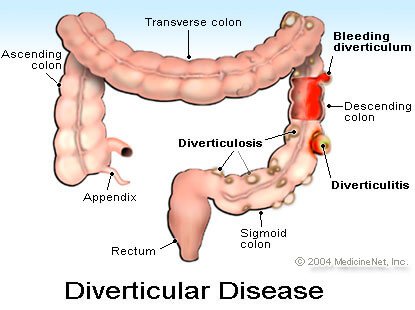
- Increased pressure on weakened spots by gas, waste, or liquid
- Diverticula can form while straining during a bowel movement, such as constipation
- They are most common in the lower portion of the large intestine (sigmoid colon) (McDaniel, 2015).
Symptoms
Although many people with diverticulosis are asymptomatic.
Common symptoms include:
- Constipation, or less commonly diarrhea
- Abdominal Pain/tenderness
- Bloating
- Fever
- Small amounts of blood in stool
Risk Factors
- Lack of exercise
- Obesity
- Smoking
- Some medications, including steroids, opiates, and non-steroidal anti-inflammatories (NSAIDS) such as ibuprofen (Mallen, 2017).
Diet
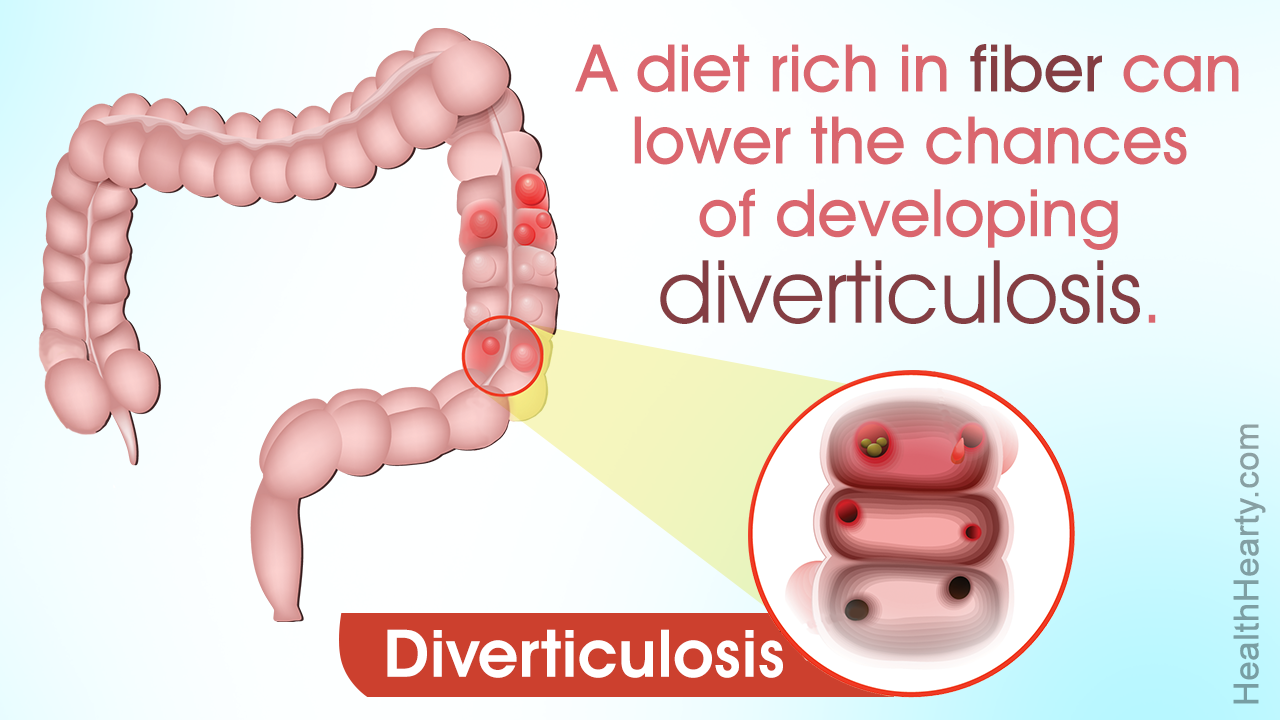
Eating a high fiber diet softens the stool and helps prevent constipation. It also can help decrease pressure in the colon and help prevent flare-ups of diverticulitis (Shahedi, et al., 2013).
High-fiber foods include:
- Beans and legumes
- Bran, whole wheat bread and whole grain cereals such as oatmeal
- Brown and wild rice
- Fruits such as apples, bananas and pears
- Vegetables such as broccoli, carrots, corn and squash
- Whole wheat pasta
Treatment Options
The main goal is keep the pockets from causing problems. Your doctor might prescribe treatments that include:
-
- Fiber Supplements (Citrucel or Metamucil)
- Probiotics
 Gut health