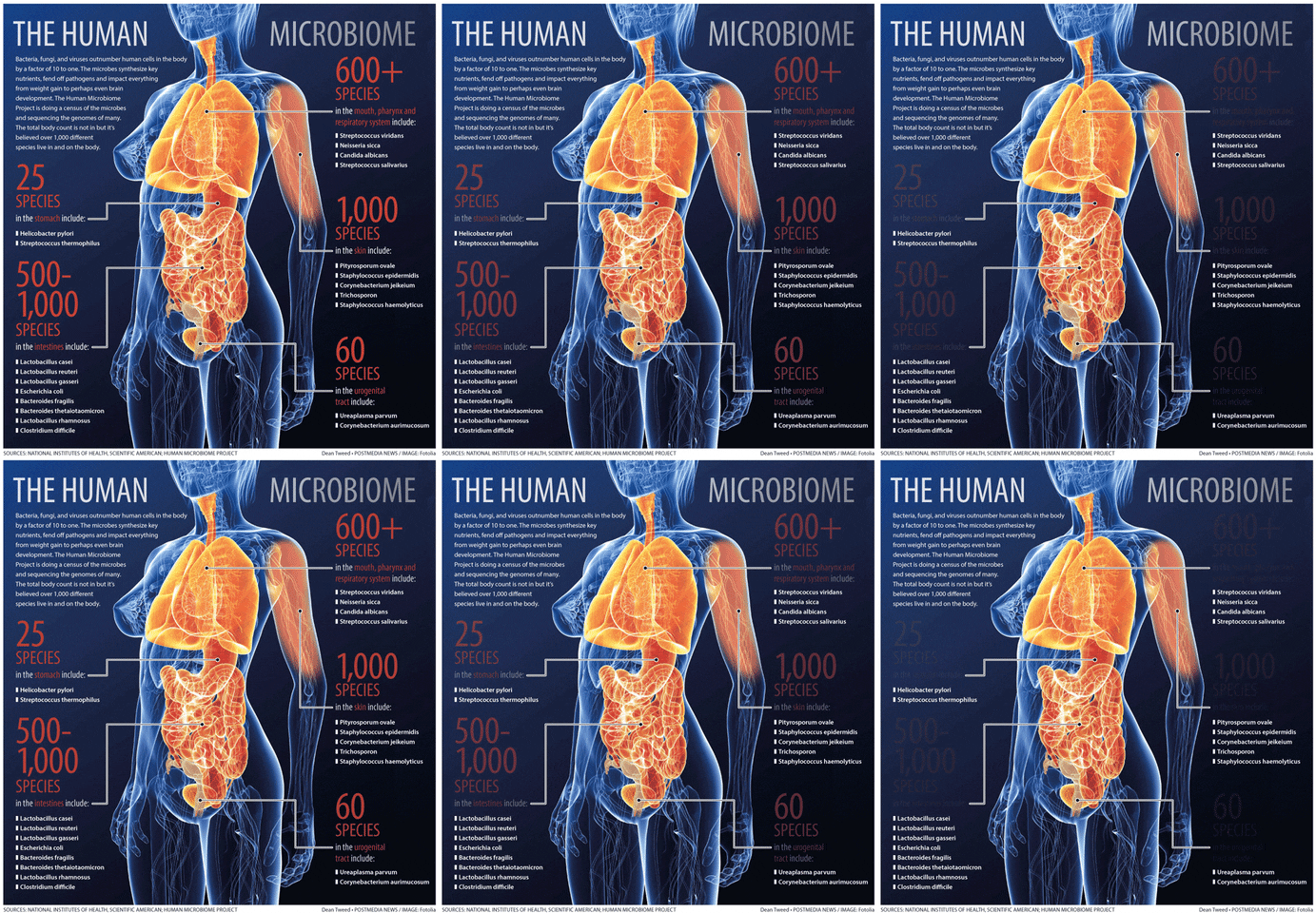
Our body has trillions of bacteria, and most of it is lining your intestines. This gut bacteria can be good or bad. When our gut is lined with more bad bacteria this effects our skin, metabolizing system, energy level and many more.
Role of microbiota
The microbiota is important for nutrition, immunity, and effects on the brain and behavior. It is implicated in a number of diseases that cause a disturbance in the normal balance of microbes (Lagier, 2012).
How do we improve the gut bacteria?
One of the new things an individual can do is eat less sugar, and eat a wide range of food that has many different microbiota. As Well as eating a lot of fruits, vegetables, and probiotics to restore good gut health. (Floch, 2014)
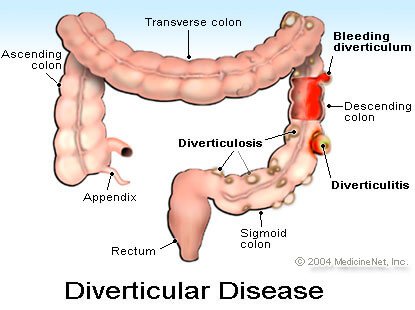
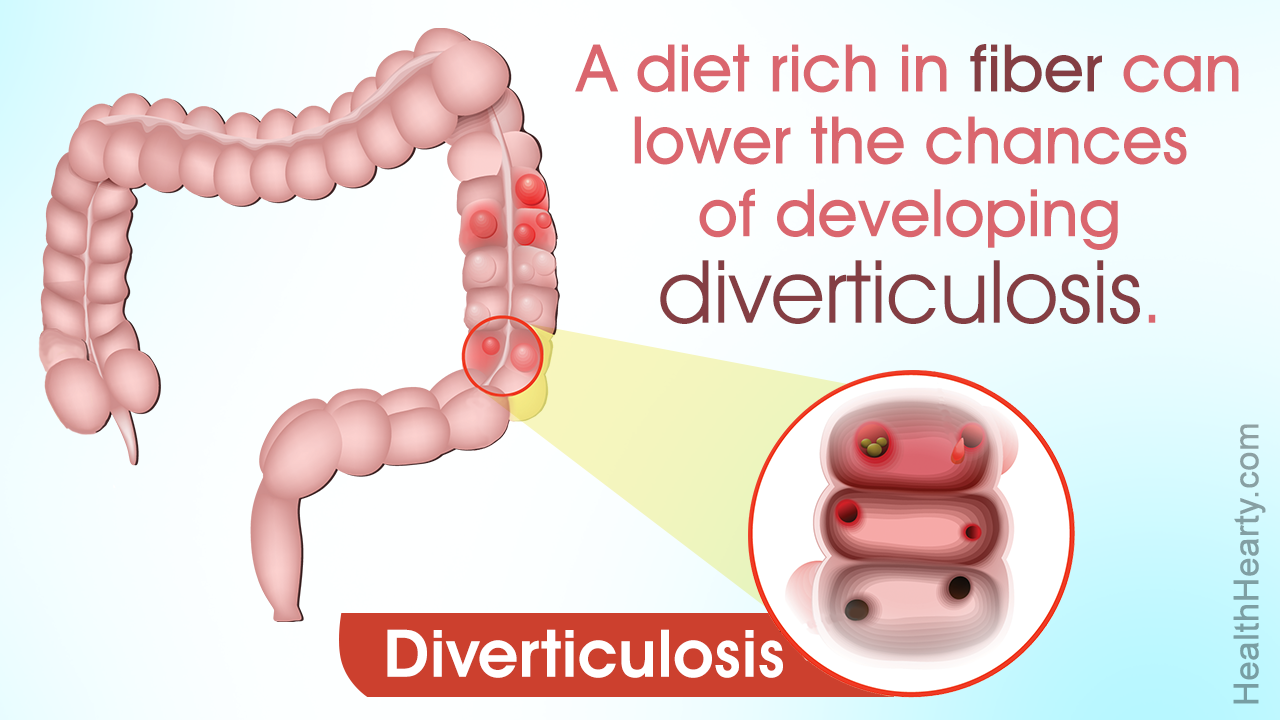
Diverticulosis is a condition that occurs when small pouches, or sacs, form and push outward through weak spots in the wall of your colon.
Increased pressure on weakened spots by gas, waste, or liquid
Diverticula can form while straining during a bowel movement, such as constipation
They are most common in the lower portion of the large intestine (sigmoid colon) (McDaniel, 2015).
Symptoms
Although many people with diverticulosis are asymptomatic.
Common symptoms include:
Constipation, or less commonly diarrhea
Abdominal Pain/tenderness
Bloating
Fever
Small amounts of blood in stool
Risk Factors
Lack of exercise
Obesity
Smoking
Some medications, including steroids, opiates, and non-steroidal anti-inflammatories (NSAIDS) such as ibuprofen (Mallen, 2017).
Diet
Eating a high fiber diet softens the stool and helps prevent constipation. It also can help decrease pressure in the colon and help prevent flare-ups of diverticulitis (Shahedi, et al., 2013).
High-fiber foods include:
Beans and legumes
Bran, whole wheat bread and whole grain cereals such as oatmeal
Brown and wild rice
Fruits such as apples, bananas and pears
Vegetables such as broccoli, carrots, corn and squash
Whole wheat pasta
Treatment Options
The main goal is keep the pockets from causing problems. Your doctor might prescribe treatments that include:
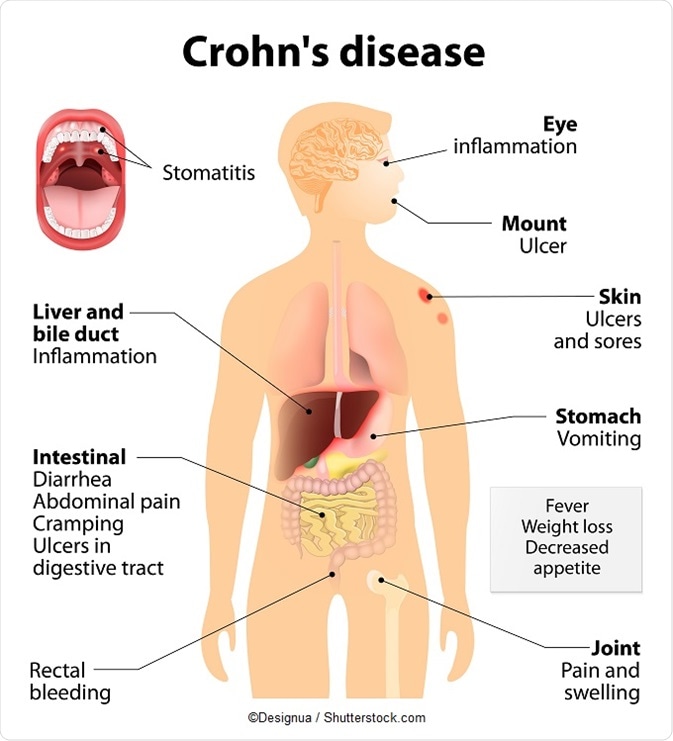
Crohn’s disease is a chronic inflammation that may occur anywhere along the gastrointestinal tract. It’s most commonly found in the distal ileum. It can be painful and debilitating
The exact cause of Crohn’s disease is unknown, but it is possible that it is related to abnormal gut bacterium. A genetic component may be also be implicated as Crohn’s is more common in people with a familial history of Crohn’s (Lewis, 2016).
Here’s a short introductory video:
Signs & Symptoms
Signs and symptoms of Crohn’s disease may include:
Diarrhea
Fever
Abdominal pain and cramping
Blood in the stool
Mouth sores
Reduced appetite and weight loss
Pain or drainage near or around the anus due to inflammation from a fistula
Diagnostic Tests
Blood tests for anemia or infection
Fecal occult blood test (hidden blood in the stool)
Colonoscopy and Computerized tomography for visualization of the gastrointestinal tract
Treatment
Treatment for Crohn’s disease focuses on the symptom management of reducing inflammation. Pharmacological treatments can include anti-inflammatories (corticosteroids, oral 5-aminosalicylates), immunosuppressants (Azathioprine, Methotrexate), antibiotics (Cipro, Flagyl), anti-diarrheals (Metamucil, Citrucel), pain relievers (Tylenol), Iron supplements, vitamin B-12 injections, and calcium and vitamin D supplements (Lewis, 2016).
Diet
Keeping a food diary may help to identify foods are tolerable and which cause exacerbation
In addition, people with Crohn’s may want to:
Limit dairy products
Try low-fat foods
Limit fiber during exacerbations
Eat small meals
Drink plenty of fluids
Flare-ups
Occasional flare-ups can happen with Crohn’s disease. Below is a video from the Crohns & Colitis Foundation with advice concerning diet during flare-ups.
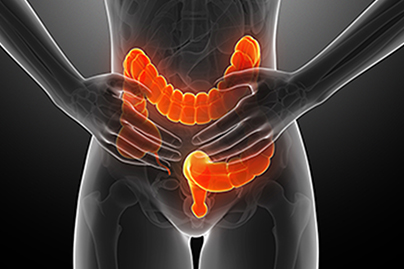
Ulcerative Colitis is an ulcerative and inflammatory disease of the bowel that results in poor absorption of nutrients. This disorder usually begins at the rectum and spreads upward towards the colon. The incidence of ulcerative colitis is highest in Caucasians and people of Jewish heritage (Smeltzer & Bare, 2004). The peak incidence is between ages 30 and 50 years of age.
The colon becomes edematous and may develop lesions and ulcer.
Colitis is characterized by various periods of remissions and exacerbations and can be classified as mild, severe or fulminant (severe and sudden).
Antibiotics eg. Flagyl are used for secondary infections such as peritonitis and abscesses.
Antidiarrheals- used to minimize peristalsis, until stools approach normal consistency and frequency
Aminosalicylates- eg. Sulfasalazine used to prevent or reduce recurrence.
Steroids- eg.Prednisone in severe or fulminant cases.
Immunomodulators- eg. Imuran have been used to alter the immune response (Wolf,2000).
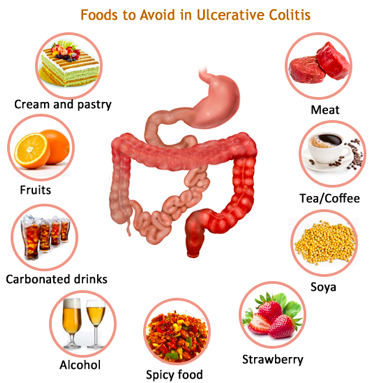
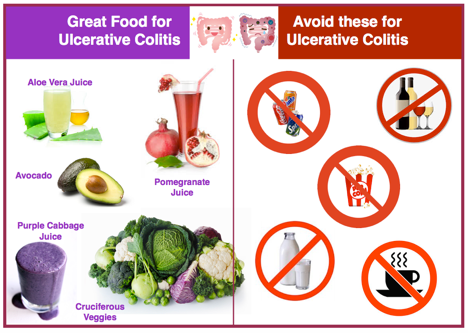
FOODS TO AVOID
Any foods that exacerbate diarrhea should be avoided. Milk, cold foods and smoking are avoided because they increase intestinal motility.
FOODS ALLOWED
Oral fluids, low fiber diet during exacerbation. High protein with vitamins
and iron supplements.
Complications of Ulcerative Colitis
Some complications are toxic mega colon which is associated with a high mortality rate (15% to 50%) (Smeltzer et al., 2004). Eventually, 15% of patients may develop carcinoma of the colon.
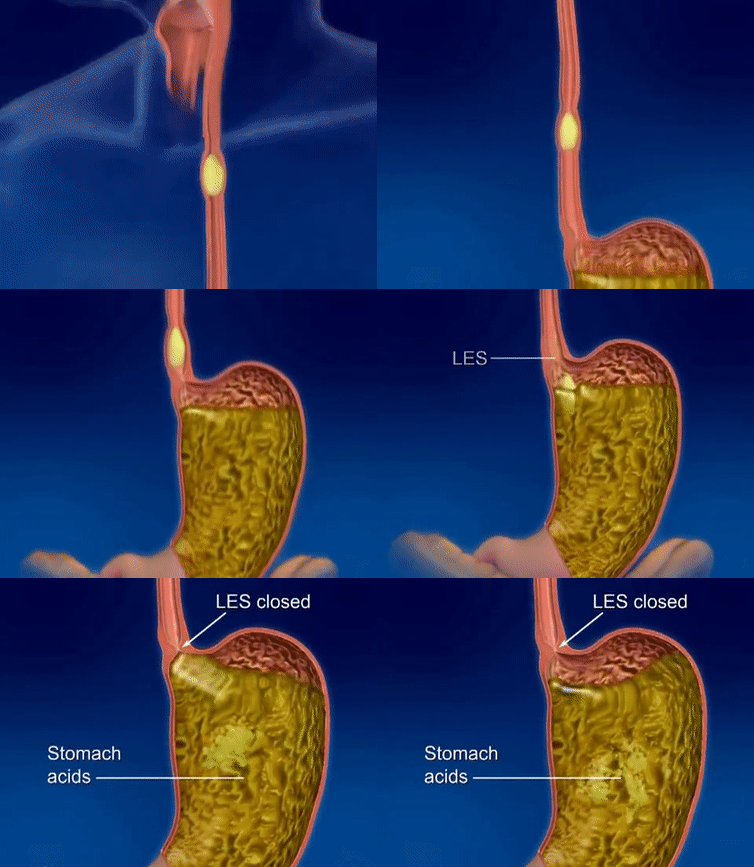
Gastroesophageal reflux disease (GERD) is a digestive disorder that occurs when acid produced in the stomach flows back up into the esophagus causing heart burn or acid reflux. Acid reflux often causes discomfort and irritation in the esophagus, leading to a sour or bitter taste in the throat and mouth (Crockett, 2015).
Got GERD?
The burning sensation that rises through your chest or up to your throat after eating a meal is called reflux. Reflux occurs when acid and food rise up from the stomach into the esophagus, which is the tube that connects your stomach to your throat (Crockett, 2017). Occasional reflux is normal but if you experience reflux two or more times a week, you may have GERD. GERD affects approximately 20% of individuals at some point in their lives and usually is not dangerous. However, severe GERD can damage the lining of the esophagus, which poses a risk for esophageal cancer (Monforte, 2016).
Although chronic heartburn is the most common symptom, there are many other symptoms associated with GERD. Other related symptoms include:
Difficulty or pain when swallowing
Chronic sore throat
Belching
Laryngitis
Inflammation of the gums
Bad breath
Erosion of the enamel of the teeth
Feeling the burn?
In most cases, GERD can be relieved
through dietary changes
Foods to avoid:
Caffeine
Citrus fruits/juices
Carbonated beverages
Alcohol
Mints
Tomato products
Fried, greasy foods
Spicy foods
Chocolate
Lifestyle changes:
Eat smaller more frequent meals
Lose weight if needed
Avoid eating too close to bedtime
Wear loose-fitted clothing
Stop smoking
Avoid laying down after meals
Treatment
If you do not experience symptomatic relief within a few weeks of dietary/lifestyle changes, your doctor might recommend over-the-counter medications. (Souza, 2014)
Over-the-counter medications
Antacids such as Tums or Mylants help to neutralize stomach acid. Although the use of antacids alone won’t heal an inflamed esophagus alone, it can provide quick short term relief!
H-2 Receptor Blockers (Zantac, Pecid) help reduce acid production and provide longer relief lasting up to 12 hours
Proton Pump Inhibitors (Omeprazole) block acid production and helps heal damaged esophageal tissue (Souza, 2014).
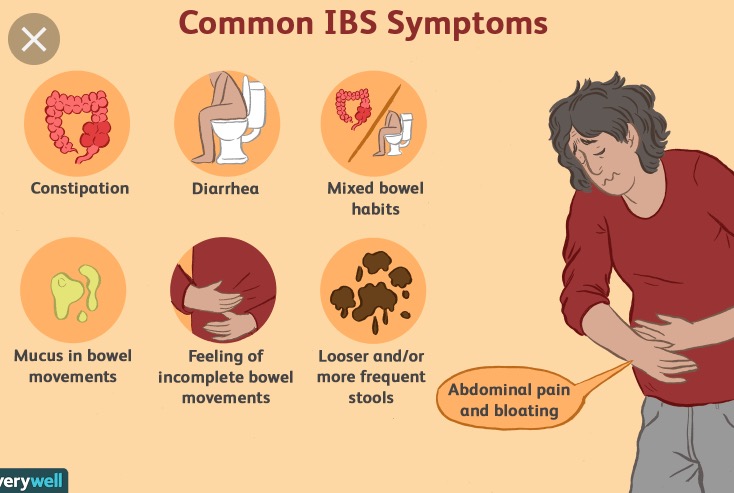
Irritable bowel syndrome is a disorder characterized by chronic abdominal pain or discomfort and alteration of bowel patterns. Diarrhea or constipation may predominate, or they may alternate. As a functional GI disorder, IBS has no known organic cause (Lewis, Bucher, Heitkemper, 2016).
Some signs and symptoms of IBS vary. The most common include mucus in stool, excess gas, abdominal pain and diarrhea or constipation.
Some common diagnostic exams would be a CT scan and focused abdominal ultrasounds are the most common diagnostic methods. You need to see a doctor immediately if you start noticing weight loss, rectal bleeding, unexplained vomiting, difficulty swallowing and persistent pain (Harding & Snyder, 2016).
There are some associated triggers. One of them would be the food that we eat. It can be due to numerous products that we consume. Some examples of these products are cabbage, dairy products, beans, milk and carbonated drinks. Stress can also aggravate those symptoms but it doesn’t necessarily means that they cause them.
With so many health advertisements out-there, many of us are starting to think is gluten terrible for our bodies. With a start to the 21st century, many individuals became more concerned with their health, especially with the type of food people are eating. In every supermarket, local markets, and even corner stores gluten-free options are available. Of course, the idea of going gluten-free is appealing, especially if it will present us healthier of ourselves.
Gluten is not necessarily bad for our health unless you have celiac disease. Celiac disease is an autoimmune disease that is triggered by wheat and gluten in our small intestine. Almost 1 in every 100 Americans have celiac disease, making it quite familiar. Many individuals who have gone gluten free without having celiac disease have cleared a lot of illnesses such as irritable bowel syndrome, acid reflux, depression, skin rashes, allergies. (Sabatino, 2012)
What is celiac disease? As an individual with celiac disease eats gluten which consists of wheat and grains, their body mounts an immune response that attacks the small intestine. These attacks lead to damage to the villi. Villi are small fingerlike projections that line the small intestine, and also that promote nutrient absorption. When the villi get damaged, nutrients cannot be adequately absorbed into the body. Currently, the only treatment for celiac disease is lifelong adherence to a strict Gluten-free diet.
As an individual with celiac disease eats gluten which consists of wheat and grains, their body mounts an immune response that attacks the small intestine. These attacks lead to damage to the villi. Villi are small fingerlike projections that line the small intestine, and also that promote nutrient absorption. When the villi get damaged, nutrients cannot be adequately absorbed into the body. Currently, the only treatment for celiac disease is lifelong adherence to a strict Gluten-free diet.
What foods have gluten ? Wheat Wheat germ Rye Barley Bulgur Couscous Farina Graham flour Kamut Matzo Semolina Spelt Triticale
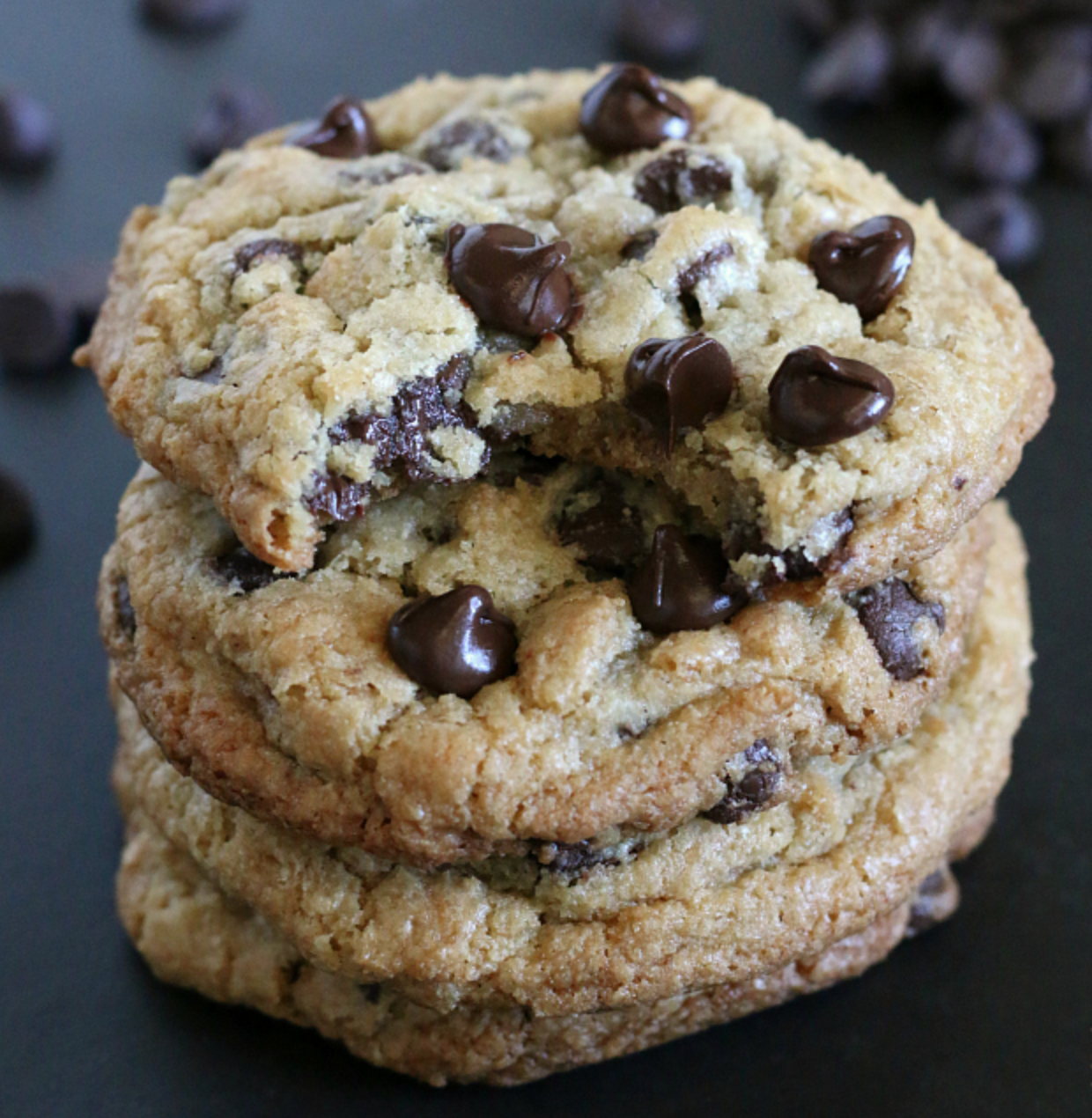
Gluten Free Chocolate Chip Cookies
Ingredients:
2 1/4 cups all-purpose gluten-free flour with xanthan or guar gum
1 tsp. baking soda
1 tsp. salt
3/4 cups unsalted butter, melted
1 cup packed brown sugar
1/2 cup sugar
1 1/2 tsp. vanilla extract
2 eggs
2 ounces cream cheese
2 cups chocolate chips
Instructions:
Place the sugar in a large mixing bowl. Add the hot melted butter and cream cheese and beat until smooth. Let cool for a few minutes before adding the eggs and vanilla and beating once more.
Whisk together the dry ingredients and slowly add them to the wet ingredients. Stir to combine. Add the chocolate chips and stir well to make sure they are evenly distributed. Refrigerate the dough for at least one hour, or until thoroughly chilled.
Preheat the oven to 325 degrees. Scoop the dough into golf ball sized balls and place on a parchment-lined baking sheet.
Bake for 16 minutes. Remove from the oven and immediately sprinkle with Maldon salt. Let cool for 1-2 minutes on the baking sheet.
Blogging about nutrition for gastrointestinal diseases
Let us guide you through the gastrointestinal tract and the disorders that go along with them. In the next series of blogs we will be posting about some disorders and nutritious posts.



 Gut health