
Gastroesophageal reflux disease (GERD) is a digestive disorder that occurs when acid produced in the stomach flows back up into the esophagus causing heart burn or acid reflux. Acid reflux often causes discomfort and irritation in the esophagus, leading to a sour or bitter taste in the throat and mouth (Crockett, 2015).
Got GERD?
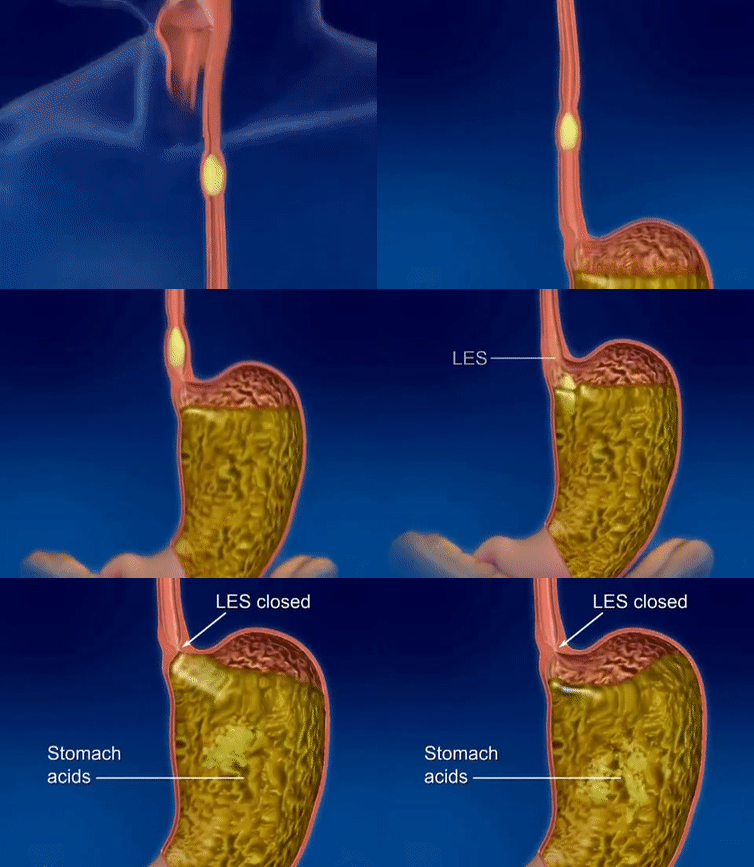
The burning sensation that rises through your chest or up to your throat after eating a meal is called reflux. Reflux occurs when acid and food rise up from the stomach into the esophagus, which is the tube that connects your stomach to your throat (Crockett, 2017). Occasional reflux is normal but if you experience reflux two or more times a week, you may have GERD. GERD affects approximately 20% of individuals at some point in their lives and usually is not dangerous. However, severe GERD can damage the lining of the esophagus, which poses a risk for esophageal cancer (Monforte, 2016).
Although chronic heartburn is the most common symptom, there are many other symptoms associated with GERD. Other related symptoms include:
- Difficulty or pain when swallowing
- Chronic sore throat
- Belching
- Laryngitis
- Inflammation of the gums
- Bad breath
- Erosion of the enamel of the teeth
Feeling the burn?
In most cases, GERD can be relieved through dietary changes
Foods to avoid:
- Caffeine
- Citrus fruits/juices
- Carbonated beverages
- Alcohol
- Mints
- Tomato products
- Fried, greasy foods
- Spicy foods
- Chocolate
Lifestyle changes:
- Eat smaller more frequent meals
- Lose weight if needed
- Avoid eating too close to bedtime
- Wear loose-fitted clothing
- Stop smoking
- Avoid laying down after meals
Treatment
If you do not experience symptomatic relief within a few weeks of dietary/lifestyle changes, your doctor might recommend over-the-counter medications. (Souza, 2014)
Over-the-counter medications
- Antacids such as Tums or Mylants help to neutralize stomach acid. Although the use of antacids alone won’t heal an inflamed esophagus alone, it can provide quick short term relief!
- H-2 Receptor Blockers (Zantac, Pecid) help reduce acid production and provide longer relief lasting up to 12 hours
- Proton Pump Inhibitors (Omeprazole) block acid production and helps heal damaged esophageal tissue (Souza, 2014).
By: Rachel Murillo
 Gut health